An epidemic of hyperforeignism
It is fascinating how we twist our tongues into knots to signal a sophistication we haven’t actually earned.
There’s no greater proof that one of the chief functions of a language is to manage status among its users than the existence and proliferation of hyperforeignisms, that awkward, over-engineered mispronunciation born of a desperate need to look traveled.
We treat phonetics like a country club membership; the more exclusive the sound, the higher the rank.
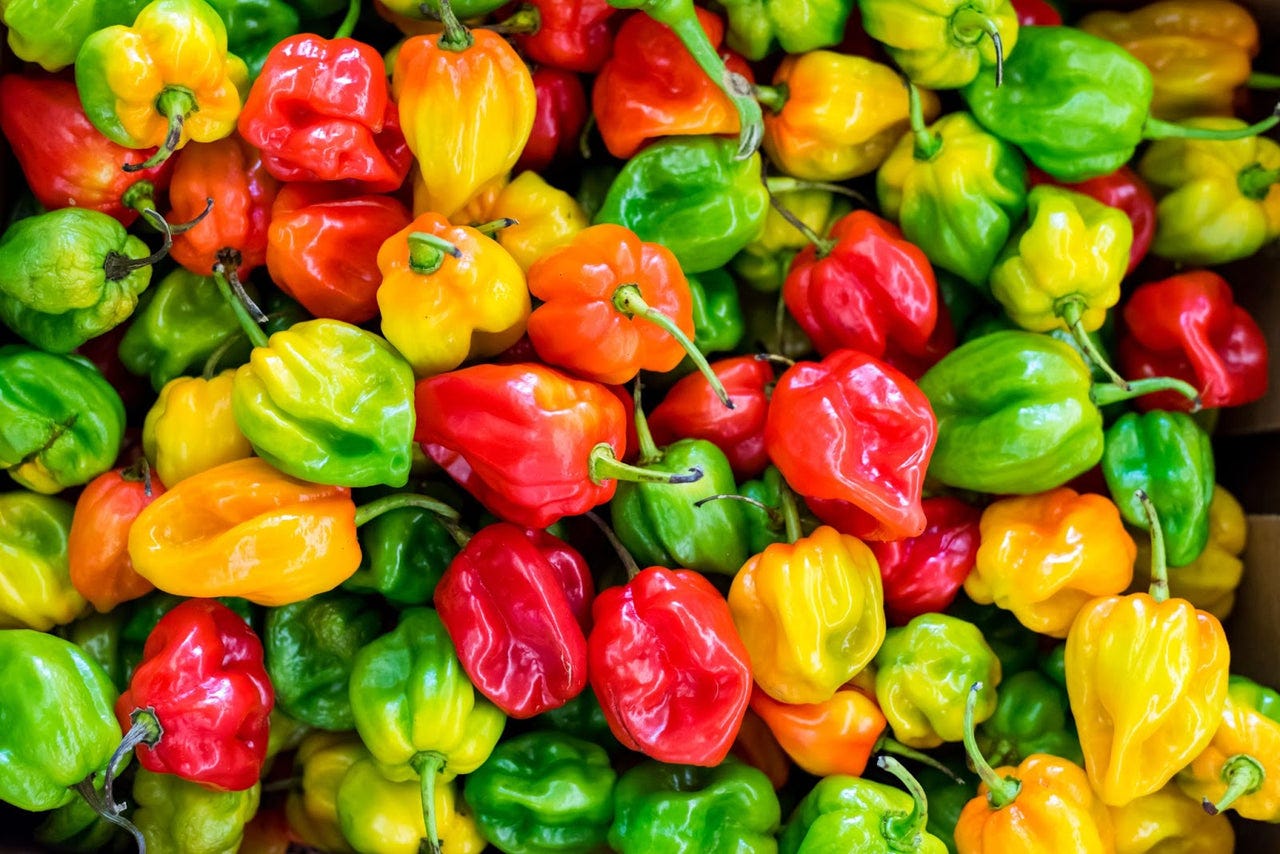
Why do we insist on pronouncing habanero as habañero? Is a non-existent tilde the price of admission to the culinary elite? We take the s-sound out of coup de grâce, turning the uppercut on ourselves. There’s a final s in crass every time.
We apply French rules to Italian words and Spanish rules to English ones, creating a phonetic Frankenstein’s monster. Like Ibiza, in the UK, which, on monolingual lips, becomes ‘Eye-bee-tha’, or the loan word plaza in Romania, which gets pronounced ‘platza’, an American word of Spanish descent spoken like an Italian zz, a phonetic acrobatic which doesn’t run in any language.
Hyperforeignisms give the illusion of multiculturalism and multilingualism, but in fact they betray ignorance and narrow-mindedness. They also promote error. It is the linguistic equivalent of wearing a fake Rolex; you hope the shine distracts from the ticking. Is there anything more provincial than trying this hard to sound global?
We don’t want to speak the language; we just want people to think we could.
If you want to honour a culture, learn its grammar. If you want to signal status, perhaps try silence. Which animation film was it that had the line: “I can keep quiet in several languages” ?


