Biography spilling into myth
The renowned Greek orator Demosthenes knew what growth mindset was.
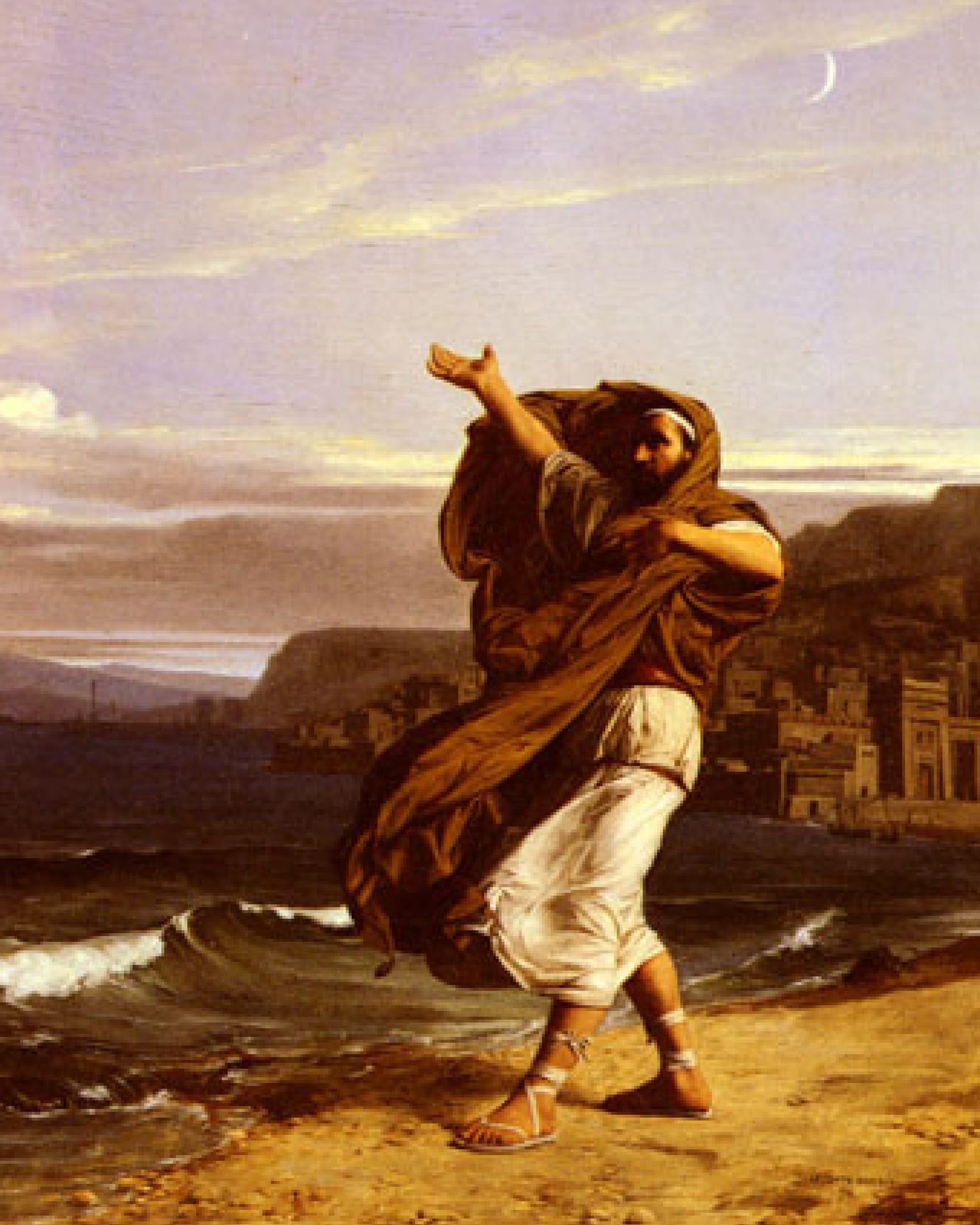
With quite a bit of hindsight, Plutarch recounts how the young Demosthenes, in order to cure his speech impediment and weak voice (timeless challenges), practiced oratory with pebbles in his mouth, and recited verses while running uphill or shouting over the sound of ocean waves.
In Plato’s dialogue Phaedo, when Cebes and Simmias press hard on Socrates’s arguments about the soul, Socrates praises them explicitly for not backing down. He was in fact warning against what he called “misology”. Nothing to do with soups, it means giving up on reasoning itself out of frustration after being wrong once. Losing faith, being stuck, having a fixed mindset.
Oh dear, the Greeks knew a thing or two, and certainly more than two, about the positive psychology people pay top dollar in business school and executive education to get. In fact, the best books these days are those who track parallels from the ancients to our world and from our world to the ancients, whatever the topic. And very few authors are able to do that.
A whole book could be written on each of the pithy biographical accounts of Plutarch or Diogenes Laertius, two of the most influential authors of classical antiquity. And that would be a lot of books and a lot of libraries.
Their genius was to understand that the only biographies that resist the entropy of time are those which spill into mythology. Data is great in principle and in the footnote, but nobody remembers a graph. A good story, however, is timeless. And timeless shares a lot with mythos. Then and now. Thus, every story included in Plutarch’s Parallel Lives or Diogenes’ Lives and Opinions of Eminent Philosophers (which, as a compendium, is less pompous and more fun than its English title translation suggests) has the quality of myth. And whether it’s Churchill, Mandela or Jobs, nothing has truly changed.


