


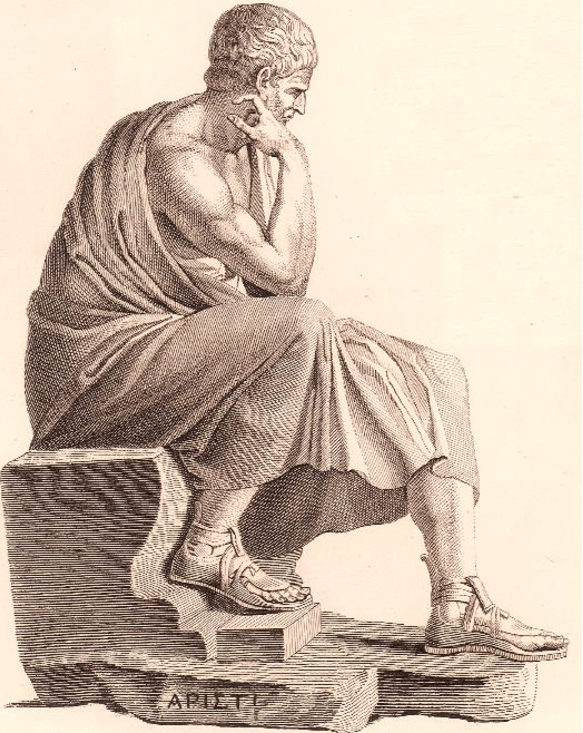
In the Nicomachean Ethics, Aristotle distinguishes three positions on a spectrum between, what we would say, pride and modesty. The vain claim more than they deserve. The small-souled claim less. The great-souled accurately recognise their exceptional worth.
The first two have psychological relatives. The Dunning–Kruger effect concerns poor performers overestimating their competence. Impostor syndrome involves difficulty accepting genuine achievement. Aristotle recognised comparable miscalibrations of self-assessment. His subject was character and deserved honour.
The third position, lost today, is what Aristotle called megalopsychia, greatness of soul. Excellence accompanied by justified pride. Actual merit is compulsory. A personal brand will struggle to cover the admission fee.
What do we call this today, as an approximation? “Big-hearted” suggests generosity. “Self-esteem” leaves its own justification conveniently unexamined. “Authenticity” certifies sincerity. The sincerely deluded qualify. “Confidence” describes a conviction available to anyone with sufficient nerve.
False pride awards itself credit it has never earned. False humility declines credit theatrically, sometimes inviting everyone present to insist. Genuine self-undervaluation introduces another problem. Why should an inaccurate assessment become admirable simply because the error points downwards?
Medieval authors institutionalised the disclaimer. The humility topos announced inadequacy before undertaking ambitious intellectual work. I’m totally not worthy, but here my wild claims out. Such professions could establish authority, particularly for women whose right to speak was contested.
Aristotle’s aristocratic assumptions feel uncomofrtable today. But his standard still bites. Accurate self-respect requires achievement and judgement. It’s a rare thing, isn’t it?
False pride invents the achievement. False humility stages the embarrassment. But greatness of soul accepts the burden of deserving its own good opinion.