Making decisions the ancient way
I’m drowning in decision-making frameworks these days.
Every year, management consultants and organisational psychologists serve up new models with fresh acronyms and slick diagrams: RACI, SPADE, RAPID, OODA, Cynefin, BRAIN…
But most of these “modern insights” into human epistemology aren’t modern at all. The ancients got there first, and sometimes did it better.
And during most of the Pleistocene, that is the evolutionary formative period of our species, we can be sure the decisions taken were the right ones, otherwise we wouldn’t be here to talk about them. But unfortunately, prehistoric reporting tends to be rather quiet…
So let’s stick with the ancients.
Aristotle distinguished between raw intelligence and phronesis, commonly translated as practical wisdom, the ability to judge what to do in a specific situation.
He understood that good decisions require neither rigid rules nor pure gut instinct, but a trained, experience-shaped judgment that reads context.
He also identified something he called euboulia, the excellence of deliberation, as a separate skill: knowing how to think through a problem methodically. It maps almost exactly onto what Daniel Kahneman has called the careful, effortful reasoning of System 2 thinking, two and a half millennia later.
The Stoics, with figures like Epictetus and Marcus Aurelius, built an even more precise psychological model. An impression, or phantasia, arrives. The hegemonikon, or the ruling mind, interprets it. Then comes the critical moment, the sunkatathesis, or assent: do you accept that interpretation or question it? Only after assent does impulse and action follow.
The whole framework is a structured argument for the pause between stimulus and response. If your mind jumps to cognitive-behavioural therapy, you’re not wrong.
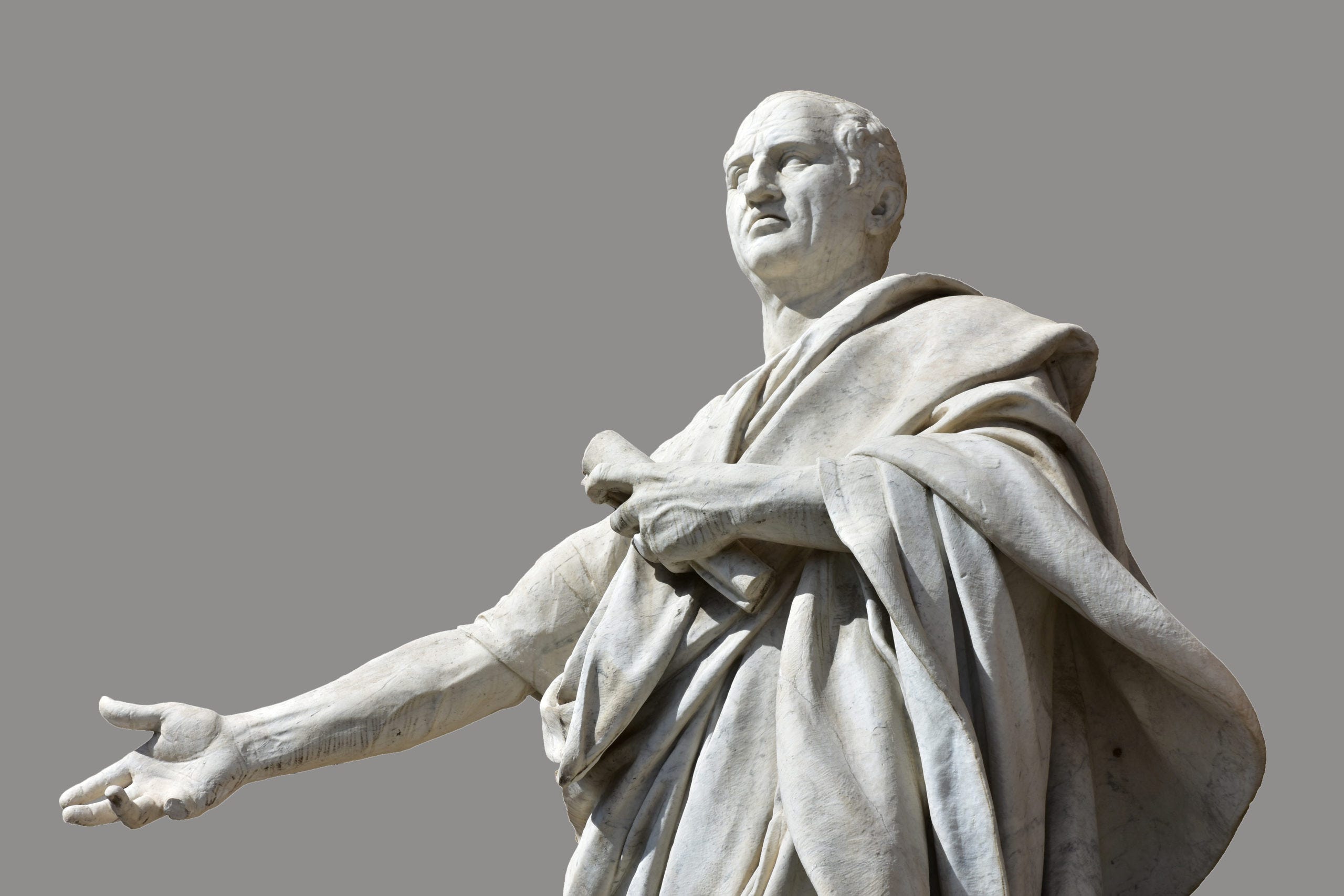
Romans institutionalised the consilium, a formal council of advisors convened before any major decision. Cicero called one before nearly every consequential choice in his life.
The idea was simple. No individual, however brilliant, deliberates well alone. Confirmation bias, emotional investment, and blind spots corrupt private reasoning. Collective intelligence, anyone?
In De Officiis, the same Cicero went further, mapping conflicts between competing values like honour, utility, justice, and proposing a framework for resolving them. It is, remarkably, the first multi-criteria decision analysis in the Western tradition - one that, alas, they don’t teach in school.
The Persians, according to Herodotus, debated every major decision twice, once drunk, once sober, and acted only when both sessions agreed. That is System 1 and System 2 cross-checking each other, Persian style.


