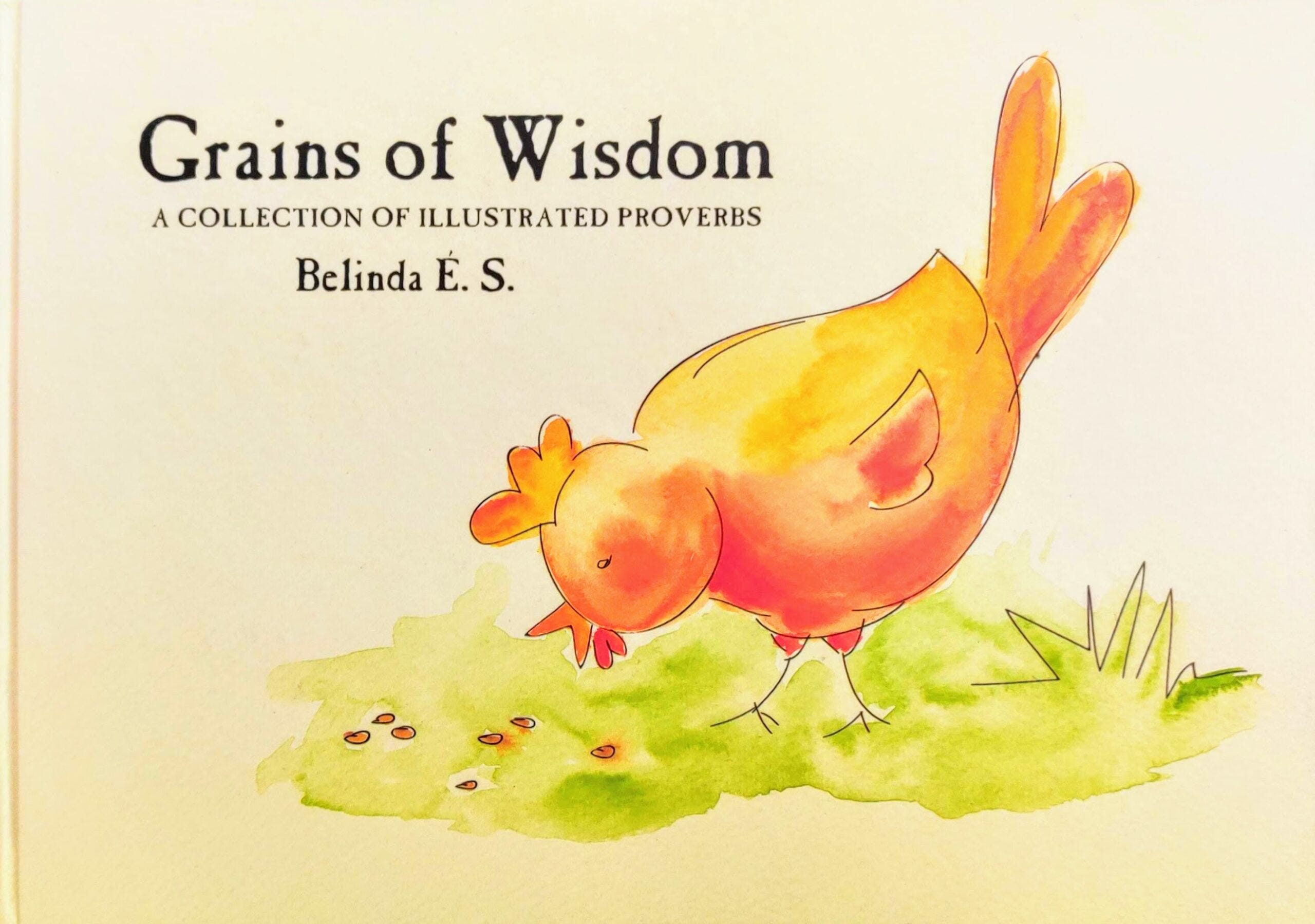
Proverbially ours
Gently debunking how proverbs are born and survive
Who doesn’t like a good proverb?
And who has trouble remembering one?
According to the Bank of English corpus, "first come, first served" is the most frequent proverb in its exact citation form, appearing 179 times (5.4 occurrences per ten million words), followed closely by "forgive and forget" and "money talks".
The most cited Latin proverb seems to be ‘carpe diem’. And this comes from Google Book Ngram viewer, not the tattoos I’ve noticed over the years.
Paremiology is the niche, ok, very niche, academic field devoted to studying proverbs, a kind of scholarship proverbially pursued by the unselect few.
It traces its lineage back to Aristotle, who was already cataloguing proverbs in the 4th century BC, and it has spent much of its modern life quietly demolishing the idea that proverbs bubble up from some diffuse folk consciousness.
As far as the public consciousness is concerned, the paremiological project has kind of failed, as we still believe proverbs are the wisdom of generations packaged and transmitted collectively.
Disappointingly, that is not borne out by the evidence.
The anthropologist Raymond Firth, writing in his 1926 study Proverbs in native life, proposed a three-stage mechanism that paremiologists still swear by, 100 years on.
Firstly, one individual formulates a concrete response to a specific circumstance.
Then, other people adopt it because its phrasing seems to fit their own situations too, even though it wasn’t written for them.
Finally, the wording quietly mutates over time, drifting to stay consonant with whatever the current public mood happens to be. So “collective wisdom” is really individual insight plus mass ratification, divided by centuries of small edits.
The scale of this editing is documented. The biblical Book of Proverbs shows visible seams: material attributed to Solomon around the 10th century BC, extra chapters added later under Hezekiah’s scribes, the whole thing redacted across centuries. Sumerian tablets from roughly 2500 BC prove the habit is old and never static.
As for what survives, the folklorist Wolfgang Mieder’s ‘paremiological minimum’ research found roughly 300 proverbs constitute the core vocabulary an average adult actually knows in a given language. That’s how selective proverb survival really is.
Selection favours rhyme, alliteration, ellipsis, and compression. These are the features that make phrases stick in memory without conscious effort.


