The Greek historian Plutarch put it with typical proverb-level precision: kings are afraid for their subjects, tyrants are afraid of them. One preposition changing an entire regime type.
Here’s the thing, tyrannos wasn’t originally an insult. It just meant “sole ruler”. Full stop, no moral baggage attached. Probably imported from Lydia in Asia Minor, possibly a loanword with no established Greek pedigree at all. Periander of Corinth, Peisistratus of Athens, Polycrates of Samos, brutal, paranoid, occasionally murderous men who also built aqueducts, patronised poets, and generally made their cities nicer places to be terrified in. Peisistratus rigged elections and also gave Athens some of its finest infrastructure. A complicated legacy and a mixed ledger.
Compare that to actual monarchs behaving and leading atrociously. Nobody called Nero or Caligula a tyrant in the technical sense. They are two emperors who happened to be psychopaths. Tyranny, in the Greek sense, was about the mode of seizing and holding power, not the moral scorecard once you had it. A perfectly legitimate king could be a monster. A tyrant could, maddeningly, be competent, even desirable.
Then the word took flight. Renaissance humanists reached for it to justify killing rulers they disliked. That’s when tyrannicide gets a whole intellectual cottage industry. Enlightenment thinkers weaponised it against absolutism generally.
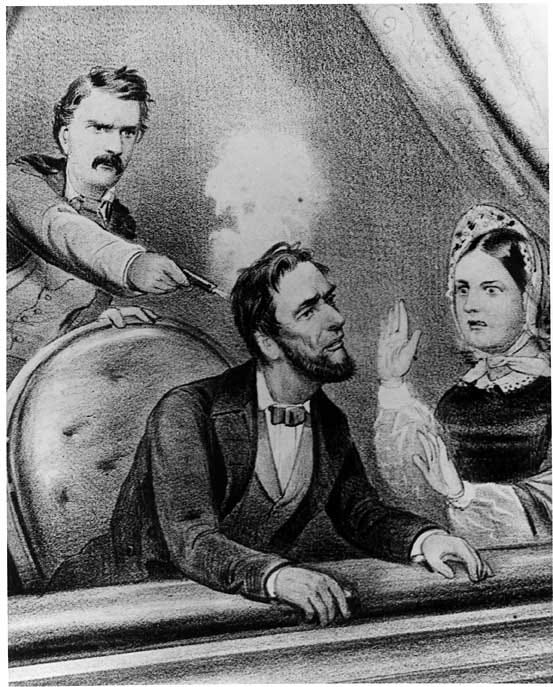
By the time John Wilkes Booth leaps onto a stage shouting sic semper tyrannis, the word has traveled from Corinth to Ford’s Theatre, dragging two and a half millennia of ambiguity behind it like a very long, very Greek shadow.


