The brazen lie is the most enduring
I have a confession to make. When I was seven, maybe eight, I was at a friend’s house playing with toy cars. One was so cool that it somehow migrated into my pocket. When I sat down to put my shoes on, it fell out and clattered onto the floor in front of everyone. My defence was immediate and inspired: one of the boys must have thrown it and it accidentally landed in my pocket. The silence that followed was forensic. I knew then, with devastating clarity, that I had no future as a liar.
History, thankfully, is full of people who shared my gift.
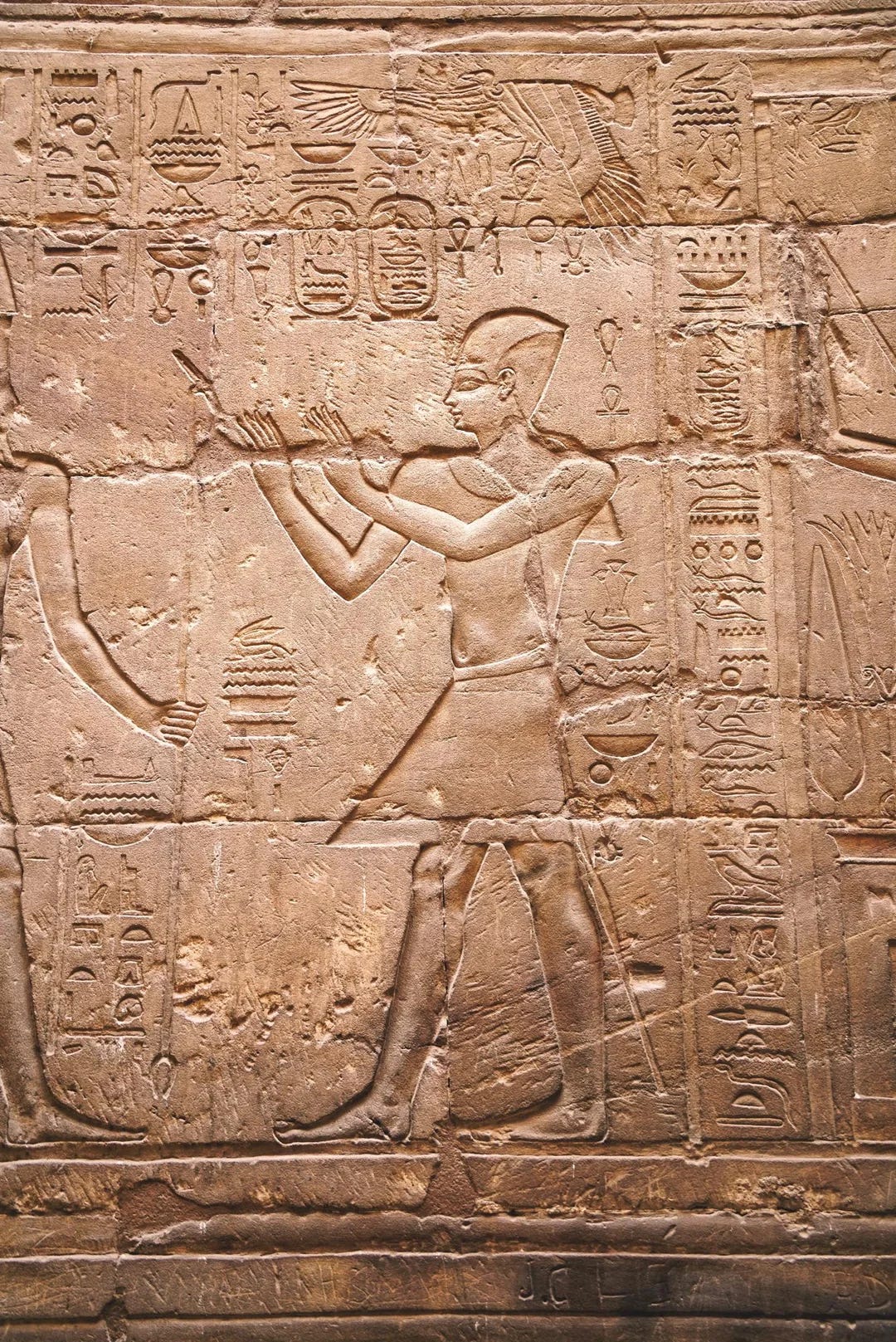
Take Alex the Great. After conquering Egypt, he made the rather strenuous journey across the Libyan desert to consult the oracle at Siwa and emerged announcing that the priests had confirmed he was literally the son of a god.
His Macedonian generals, battle-hardened men who had known him since boyhood and were fully aware who his actual father was, received this news with the quiet diplomacy of people who are holding very sharp swords. The Persians and Egyptians were broadly willing to play along, since deified rulers were standard issue in their traditions. The Greeks were considerably less convinced, but they, especially the Ptolemaics, also played along.
Constantine outdid him by several centuries. Before the Battle of the Milvian Bridge in 312, he claimed to have seen a blazing cross in the sky accompanied by the words In hoc signo vinces, “In this sign, you shall conquer.”
He then waited until 325, basically thirteen years later, to mention this publicly at the Council of Nicaea, at which point it became the founding miracle of Christian imperial Rome.
His own triumphal arch, built just three years after the battle, contains not a single Christian symbol anywhere on it. Historians have politely noted this inconsistency for centuries. The story was almost certainly retrofitted imperial propaganda of the most spectacular kind, but it reshaped the entire religious architecture of Western civilisation.
Medieval Europe then raised the stakes to frankly unreasonable levels.
Pope Urban II, preaching the First Crusade at Clermont in 1095, told assembled crowds that Christian pilgrims were being systematically brutalised in Jerusalem and that the Holy Land was crying out for liberation. The actual political calculation, that Urban wanted to unite fractious European Christendom under papal authority while helping the Byzantine Emperor manage a Turkish threat on his frontier was rather more prosaic.
Tens of thousands of people, including entire armies of desperate peasants with no equipment, food, or plan, set off across Europe and the Middle East on the strength of this.
Urban died before Jerusalem fell in 1099, never knowing the crusade had succeeded, which is either poetic or deeply suspicious, depending on your temperament.
Here’s the lesson in recorded mendacity: the most catastrophic lies are not the clever ones. They are the brazen ones. Told loudly, repeated often, and surrounded by audiences too afraid, too invested, or simply too polite to point to the naked Emperor, or Pope.


