


How do you assess what didn’t happen as opposed to what happened? History is easy to grasp, but what about anti-history, all the missed opportunities and avoided pitfalls? Even talking about the non-event as opportunity or risk doesn’t avoid the attachment of value. No wonder we’re so bad, I’m so bad, at thinking in systems.
The closest our culture ever got to grasping the non-event, that-which-didn’t-happen, is the counterfactual. What if?
But even the what-if doesn’t avoid the trap of linear thinking. We find it easy to understand that a certain action prevents another action from happening (getting a job won’t deprive me of an income, all linear thinking), but we’re completely at a loss thinking about the nonlinearities of all the things that didn’t happen not causing all the other things that were part of the complex system which may have happened, but didn’t.
The subjunctive mood of a verb is the hardest to learn, in any language which has it. Modal verbs are a pain: may, could, must, wouldn’t. They’re too prefrontal cortex.
Let me come back to the counterfactual, the what-if, what could have happened in a different, opposite scenario.
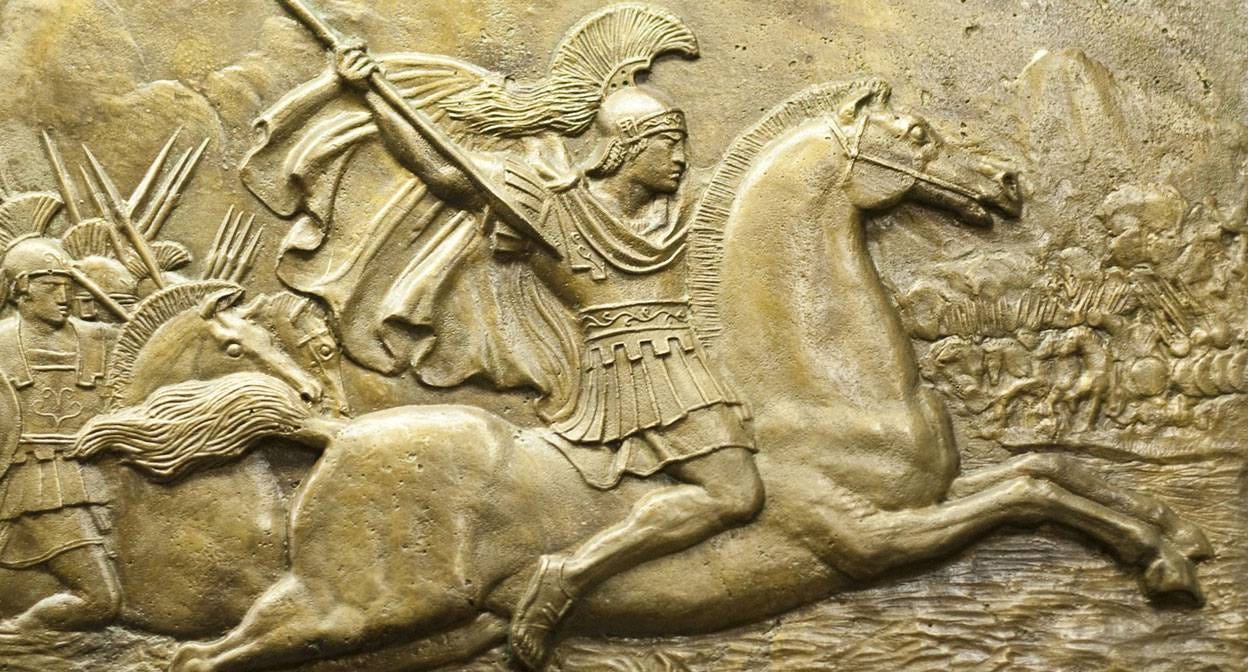
It appears that the earliest documented what-if occurs in Livy’s Ab Urbe Condita, his History of The Foundation of the City of Rome. He speculates on what would have happened had Alexander the Great turned west and invaded Rome. But his thinking was predictably linear, weighing Alexander’s forces and generalship against Rome’s. He concedes Alexander’s brilliance, his run of unbroken victories in the East, and the psychological terror his reputation would carry into a new theater. Rome, on the other hand, had, he argues, a deeper bench of talented commanders, a citizen-soldier tradition suited to attritional warfare, and, crucially, a political system that could absorb defeat and regenerate armies. Conclusion, he judges that Alexander would likely have failed against Rome, or at best won a Pyrrhic and unsustainable victory.
There it is, the illusion of non-event, systems thinking, totally reliant on several cognitive biases, like the ease with which he can think of military and political credits and debits, while leaving all other dependencies out.